
Worm Casts on Lawns: What Causes Them and How to Manage Them.
Worm casts are a common sight on many lawns, particularly during autumn and winter when soil conditions are moist. While earthworms play an important role in maintaining healthy soil, excessive worm casts can affect the appearance of your lawn and interfere with mowing and lawn maintenance.
In this guide, we’ll explain what worm casts are, why they appear, and how to manage them effectively.
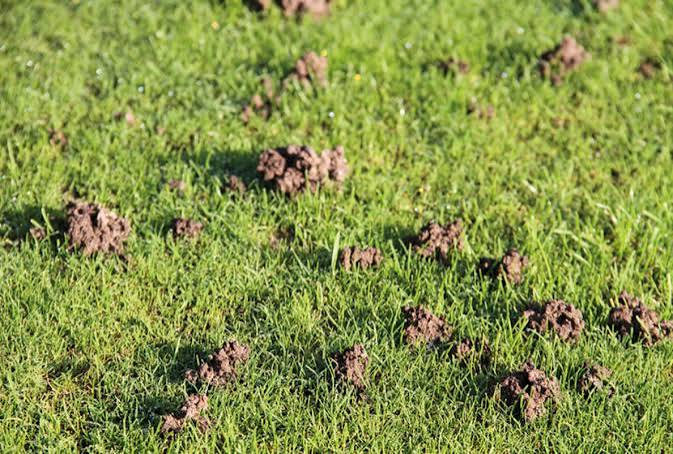
What Are Worm Casts?
Worm casts are small mounds of soil that earthworms deposit on the lawn surface.
As earthworms feed on organic matter beneath the ground, they move through the soil and excrete digested material above the surface. These deposits, known as worm casts, are rich in nutrients and help improve soil structure.
Although worm casts are a sign of healthy soil, they can become problematic when large numbers appear on the lawn.
Why Do Worm Casts Appear?
Worm activity increases when conditions are:
✅ Moist
✅ Mild
✅ Rich in organic matter
✅ Low in ground frost
This is why worm casts are most commonly seen during:
- Autumn
- Winter
- Early Spring
Lawns with high levels of organic matter or clay-based soils often experience greater worm activity.
Problems Caused by Worm Casts
Excessive worm casts can create several issues:
Poor Lawn Appearance
Large numbers of casts can make an otherwise healthy lawn look untidy and uneven.
Smearing During Mowing
If casts are mown while wet, the soil can smear across the lawn surface, creating muddy patches and affecting grass growth.
Encourages Weed Growth
The disturbed soil created by worm casts can provide an ideal environment for weed seeds to establish.
Reduced Playing Surface Quality
For ornamental lawns, sports lawns, or heavily used family gardens, excessive worm casts can create an uneven surface.
Are Earthworms Bad for Your Lawn?
Absolutely not.
Earthworms provide many important benefits, including:
✅ Improving soil structure
✅ Increasing aeration
✅ Enhancing drainage
✅ Recycling organic matter
✅ Making nutrients available to plants
In fact, earthworms are one of nature’s most effective soil improvers.
The goal is not to remove earthworms but to reduce the impact of excessive surface casting.
How to Manage Worm Casts
1. Avoid Brushing Wet Casts
One of the biggest mistakes homeowners make is brushing worm casts when they are still wet.
This can:
- Smear soil across the grass
- Damage the lawn surface
- Create muddy areas
Instead, allow the casts to dry first.
2. Regular Brushing
Once casts have dried, they can be lightly brushed back into the lawn.
A stiff broom or lawn brush works well.
This helps maintain a cleaner, more even appearance.
3. Reduce Excess Organic Matter
Earthworms feed on organic material within the soil.
Scarification helps remove:
- Thatch
- Dead grass
- Surface debris
Reducing excessive organic matter can help reduce the number of worm casts over time.
4. Improve Drainage
Worm activity tends to increase in consistently damp areas.
Professional aeration can help:
✅ Improve drainage
✅ Relieve soil compaction
✅ Improve root development
✅ Create better growing conditions for grass
Improved drainage can reduce the conditions that encourage excessive surface casting.
5. Maintain a Healthy Lawn
A dense, healthy lawn is better able to disguise worm casts and recover from minor surface disruption.
Regular lawn treatments can help:
- Improve density
- Strengthen roots
- Improve colour
- Encourage healthier growth
Can You Use Worm Control Products?
Modern lawn care practices focus on managing worm casting rather than eliminating earthworms.
Earthworms are highly beneficial and play an important role in soil health.
The most effective approach is usually:
✅ Scarification
✅ Aeration
✅ Improving drainage
✅ Reducing thatch
✅ Regular lawn maintenance
When Are Worm Casts Most Common?
You are most likely to notice worm casts between:
September and April
During these months:
- Soil moisture levels are higher
- Temperatures remain suitable for worm activity
- Grass growth slows
- Lawn surfaces stay wetter for longer
Autumn is usually the peak season for worm casting on domestic lawns.
Why Choose Avant Garde Lawns?
At Avant Garde Lawns, we are a family-run business with over 20 years of experience helping homeowners maintain healthier, greener lawns.
What Makes Us Different?
✅ Family-run business
✅ City & Guilds NPTC qualified staff
✅ Professional lawn care products
✅ Friendly and reliable service
✅ Cost-effective treatment plans
✅ Tailored lawn care solutions
Whether your lawn is affected by moss, compaction, excessive thatch, or worm casting issues, we can help recommend the most effective treatment programme.
Areas We Cover
We provide professional lawn care services throughout:
- Stockport
- Bramhall
- Cheadle
- Hazel Grove
- Marple
- Romiley
- Poynton
- Wilmslow
- Sale
- Altrincham
- Hale
- Didsbury
- Tytherington
and surrounding areas across Greater Manchester and Cheshire.
Looking for Expert Lawn Care Advice?
If worm casts, moss, weeds, or poor lawn health are affecting your garden, we’re here to help.
Ready to Transform Your Lawn?
If your lawn is suffering from moss, thatch build-up, or poor growth, our professional scarification service can help restore its health and appearance.