
Winter Lawn Care: The Dos and Don’ts for a Healthy Lawn
As temperatures fall and grass growth slows, it can be tempting to forget about the lawn until spring. However, what you do, and what you avoid doing, during winter can have a big effect on how your lawn looks when the growing season returns.
Winter lawn care is mostly about protection rather than pushing growth. Your lawn may not require the same attention as it does during spring and summer, but a few simple precautions can prevent unnecessary damage.
Here are our key dos and don’ts for looking after your lawn during winter.
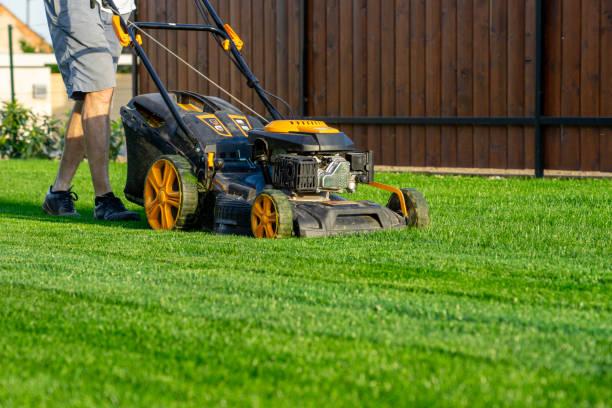
As autumn draws to a close and temperatures begin to fall, one question we often hear is: “When should I give my lawn its last cut, and how short should I cut it?”
Getting that final mow right can make a real difference to how your lawn copes with the colder, wetter months and how well it recovers when spring arrives.
At Avant Garde Lawns, we recommend moving away from the close summer cut as the growing season comes to an end and leaving the grass slightly longer for winter.
✅ DO: Keep Fallen Leaves Off the Lawn
One of the most important winter lawn-care jobs is regularly removing fallen leaves.
Allowing a thick layer of leaves to sit on the grass can:
- Block sunlight
- Restrict airflow
- Trap moisture
- Weaken the grass underneath
- Encourage damp conditions
You don’t necessarily need to remove every individual leaf immediately, but avoid allowing a thick, wet layer to remain on the lawn for prolonged periods.
A leaf blower, rake or mower with a collection box can make the job much easier when conditions are suitable.
❌ DON’T: Walk on a Frosty Lawn
A beautiful frosty lawn might look inviting, but try to keep off the grass while it is frozen.
When grass blades freeze, they become much more susceptible to physical damage.
Walking repeatedly over frozen grass can crush the blades, potentially leaving visible footprints and damaged areas once the frost disappears.
Our advice
Wait until the frost has completely thawed before walking across or working on the lawn.
If you need regular access across the lawn throughout winter, consider using stepping stones or an existing path rather than repeatedly walking over the grass.
✅ DO: Continue Mowing If the Grass Is Still Growing
There isn’t a fixed date when you must put the lawn mower away.
During a mild British winter, grass can continue growing slowly.
If your lawn is getting noticeably long and conditions are suitable, an occasional light cut can help keep it tidy.
The important thing is choosing the right day.
Only mow when:
- The grass is relatively dry
- The soil isn’t waterlogged
- There is no frost
- The ground is firm enough for the mower
- Temperatures are reasonably mild
Raise the cutting height and remove only a small amount of growth.
For many domestic lawns, leaving the grass around 40-50mm high going into winter is a sensible general target.
❌ DON’T: Scalp the Lawn
Avoid the temptation to give your lawn one extremely short final cut because you don’t expect to mow it again for several months.
Grass still needs leaf area to capture available light.
Cutting too short can unnecessarily stress the grass and leave the lawn looking thin.
A good rule throughout the year is the one-third rule.
Avoid removing more than around one-third of the grass blade in a single cut.
If the grass has become particularly long, lower its height progressively rather than cutting it dramatically in one go.
✅ DO: Keep the Lawn Clear of Debris
Leaves aren’t the only things that can cause problems.
Try to prevent objects such as:
- Children’s toys
- Garden furniture
- Plant pots
- Paddling pools
- Tarpaulins
- Bags of compost
- Building materials
from sitting on the same area of grass for weeks.
Anything that continually blocks light and airflow can leave yellow, weak or even bare grass underneath.
❌ DON’T: Mow a Waterlogged Lawn
This is particularly important during a wet Greater Manchester winter.
If walking across the lawn leaves deep footprints or causes water to rise around your shoes, leave the mower in the shed.
Running a mower across saturated ground can:
- Compact the soil
- Create ruts
- Damage the grass
- Smear and disturb the soil surface
- Leave muddy wheel marks
Wait for the ground conditions to improve.
Sometimes doing nothing is the best lawn treatment you can provide.
✅ DO: Watch for Moss
Winter conditions can expose areas where moss is beginning to establish.
Moss often becomes more noticeable where grass is weak and conditions are damp, shaded, compacted or poorly drained.
Don’t simply think:
“I’ll rake it out and that’ll solve it.”
Removing moss without addressing the conditions that allowed it to thrive can mean the problem quickly returns.
Look at possible underlying causes such as:
- Soil compaction
- Poor drainage
- Heavy shade
- Excessive thatch
- Weak or thin grass
- Low nutrient availability
These issues can then form part of your lawn-care plan for the coming season.
❌ DON’T: Scarify Heavily in the Middle of Winter
If you discover significant moss or thatch in December or January, resist the temptation to aggressively scarify the lawn immediately.
Scarification can temporarily make a lawn look considerably worse because material is physically removed from around the grass plants.
The lawn needs suitable growing conditions following the work so that healthy grass can recover and fill the spaces that have been opened.
Major renovation work is therefore better planned for an appropriate period of active grass growth rather than simply carried out because moss happens to be visible.
✅ DO: Deal With Compaction at the Right Time
Compacted soil is a common reason lawns struggle.
Signs can include:
- Poor drainage
- Surface water
- Weak grass growth
- Moss
- Hard ground
- Shallow roots
Lawn aeration creates openings in the soil that allow air, water and nutrients to move more effectively through the root zone.
Again, timing matters. Don’t use heavy equipment on saturated or frozen ground just because you’re trying to improve drainage.
Plan the work for suitable ground and growing conditions.
❌ DON’T: Try to Force Lots of Soft Growth
Your lawn’s requirements change throughout the year.
Winter lawn care isn’t about trying to recreate the lush, rapid growth you might want during spring.
The priority is maintaining plant health and avoiding unnecessary stress.
For this reason, don’t simply apply a high-nitrogen summer fertiliser in winter because the lawn has lost some of its green colour.
Products and nutrient requirements should be appropriate for the time of year and condition of the lawn.
✅ DO: Check Your Lawn for Drainage Problems
Wet winter weather often makes underlying lawn problems much easier to identify.
After prolonged rainfall, look for areas where water repeatedly collects.
Persistent wet areas could indicate:
- Compacted soil
- Poor soil structure
- Low areas in the lawn
- Drainage problems
Take a couple of photographs when the problem is visible.
When spring arrives, you’ll have a useful record showing exactly where attention may be required.
❌ DON’T: Ignore Lawn Pests
Birds repeatedly digging or pecking at an area of lawn can sometimes indicate activity beneath the surface.
Two pests worth being aware of are chafer grubs and leatherjackets.
The larvae can damage grass roots, while secondary damage can occur when birds and other animals disturb the turf looking for them.
If an area of grass starts deteriorating unexpectedly, don’t automatically assume it just needs more fertiliser.
Investigate the cause first.
✅ DO: Use Winter to Plan for Spring
Winter is actually a great time to take stock of your lawn.
Walk around when conditions are suitable and look for:
- Moss
- Bare patches
- Thin grass
- Compacted areas
- Poor drainage
- Excessive thatch
- Uneven growth
- Persistent weeds
Then you can begin planning an appropriate spring programme.
Depending on the condition of the lawn, this could include:
Lawn treatment → Weed control → Moss treatment → Scarification → Aeration → Overseeding
Not every lawn will require every treatment.
❌ DON’T: Panic If Your Lawn Doesn’t Look Perfect
This might be the most important winter lawn-care tip.
Your lawn isn’t supposed to look like a freshly prepared summer lawn all year round.
During winter you may notice:
- Reduced growth
- Less vibrant colour
- Increased moisture
- Temporary yellowing
- Muddy or soft areas
The aim during winter isn’t perfection.
It’s to protect the grass and put the lawn in the best possible position to respond when temperatures and daylight increase again.
Quick Winter Lawn Care Checklist
✅ DO
- Remove excessive fallen leaves
- Keep the lawn clear of objects and debris
- Mow occasionally if conditions are suitable
- Keep the mower cutting height relatively high
- Monitor moss
- Watch for drainage problems
- Look for signs of lawn pests
- Plan spring treatments
❌ DON’T
- Walk repeatedly over frozen grass
- Mow frozen grass
- Mow saturated or waterlogged ground
- Scalp the lawn
- Leave thick layers of wet leaves
- Leave objects sitting on the grass for weeks
- Aggressively scarify during unsuitable winter conditions
- Use inappropriate fertiliser simply to force growth
- Assume every lawn problem needs immediate treatment
Give Your Lawn the Best Start Next Spring
A healthy spring lawn often starts with good winter lawn care.
The key is knowing when your lawn needs attention and, just as importantly, when it should be left alone.
At Avant Garde Lawns, we provide professional lawn care throughout Stockport, South Manchester and surrounding areas, helping homeowners deal with weeds, moss, compaction, thatch and poor grass growth.
Whether your lawn needs regular seasonal treatments, scarification, aeration, overseeding or a more comprehensive renovation programme, we can assess its condition and recommend an appropriate approach.
Why Choose Avant Garde Lawns?
At Avant Garde Lawns, we are a family-run business with over 20 years of experience helping homeowners achieve healthier, greener lawns.
What Makes Us Different?
✅ Family-run business
✅ Over 20 years’ experience
✅ City & Guilds NPTC qualified staff
✅ Professional products and equipment
✅ Friendly and reliable service
✅ Competitive pricing
✅ Local lawn care specialists
We take pride in delivering lawn care solutions that are effective, affordable, and tailored to the needs of your lawn.
Areas Covered
Ready to Transform Your Lawn?
If your lawn is suffering from moss, thatch build-up, or poor growth, our professional scarification service can help restore its health and appearance.